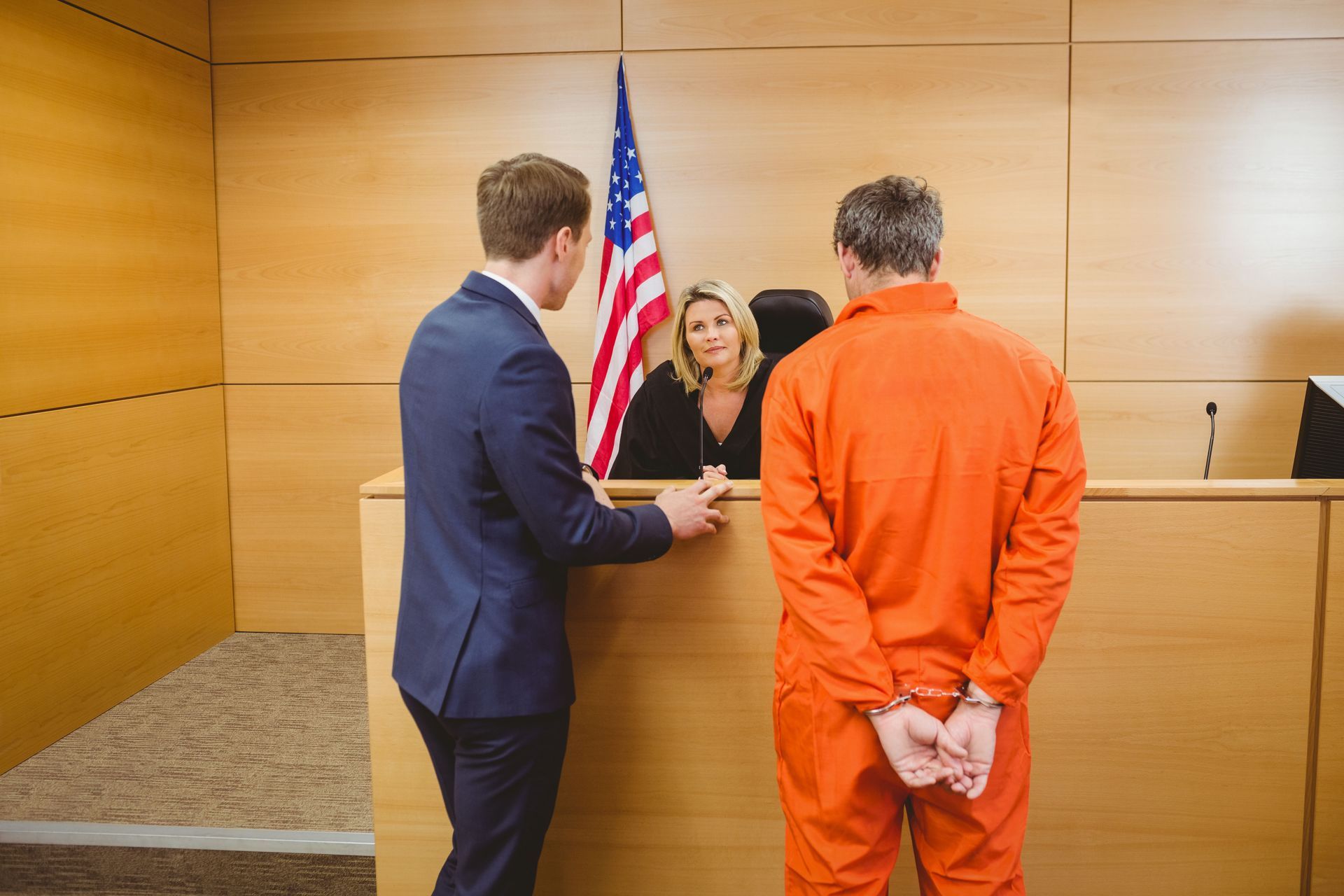
How the Right Felony Lawyer Can Help You Understand Your Options

June 15, 2026

When faced with a felony charge, the immediate decisions you make can have far-reaching consequences on your life. This is an overwhelming experience not only because of the potential penalties but also due to the complicated nature of the legal system. By engaging the services of a skilled felony lawyer, you can better understand the nuances of your legal situation and the options available to you. The right legal representation is not just a tactical necessity, it is essential for safeguarding your future and defending your rights. Understanding your options through the guidance of a felony lawyer can mean the difference between a conviction and acquittal, the severity of sentencing, and the potential for rehabilitation over punishment.


Facing a felony charge can seem isolating, but you are not alone in this challenge. A reputable felony lawyer can provide critical support, making sure that you work through each step with confidence and clarity. In the United States, nearly half a million people sit in jails without a conviction, according to The Bail Project, highlighting the need for informed legal assistance to avoid unnecessary pre-trial detention. Your lawyer's role is to demystify the legal processes and offer a strategic approach to handling your case with a focus on favorable outcomes. With the right lawyer by your side, the courtroom no longer remains an enigmatic threat but a place where you can assert your narrative and protect your rights.


Finding the right felony lawyer is imperative for understanding your legal circumstances and potential outcomes. Whether it's explaining the charges, discussing potential plea bargains, or preparing for trial, your lawyer will act as your guide through the challenges of the legal system. By choosing an experienced professional, you make sure that every aspect of your defense is meticulously considered and strategically executed. From gathering evidence to representing you in court, your lawyer's experience can substantively influence the trajectory of your case. This article explores the essential role of defense attorneys, offering insights into how they support defendants in understanding and asserting their legal rights effectively.


Understanding Felony Charges


Definition and Types of Felonies

Felony charges are among the most serious offenses within the criminal justice system. They typically involve acts of significant harm or threat to individuals and society and can include crimes like murder, rape, and armed robbery. Felonies are distinguished from misdemeanors by the severity of the punishment, which often includes lengthy prison sentences, heavy fines, or both. Understanding the category of the felony is critical as it affects the defense strategy and the potential penalties involved. Felony charges can be further classified into different levels, often referred to as "classes" or "degrees," depending on the nature and gravity of the crime.


Legal Consequences of Felony Convictions

The consequences of a felony conviction extend far beyond the immediate penalties imposed by the court. Convicted individuals may face a lifetime of repercussions, including difficulty securing employment, housing, and access to certain rights and benefits. The social stigma attached to felony convictions can also affect personal relationships and community integration. Understanding these consequences is vital in shaping a comprehensive defense strategy aimed not only at winning or reducing the charges but also at managing long-term impacts. Working with a felony lawyer helps in working through these challenges and developing a proactive approach to mitigating the impact of a conviction.


Difference Between Felonies and Misdemeanors

The distinction between felonies and misdemeanors lies in the severity of the crime and its corresponding penalties. Misdemeanors are typically considered less serious offenses and are punishable by lighter sentences, often involving fines or shorter jail terms. In contrast, felonies can result in extended imprisonment, significant financial penalties, and long-lasting legal consequences. Understanding the nuances between these two classifications helps defendants and their attorneys develop specific legal strategies. Every charge demands a specific approach, and clarity on this distinction is fundamental to making sure a defense accurately addresses the legal challenges faced.


The Importance of a Legal Strategy in Felony Cases

A sound legal strategy is the cornerstone of any felony defense. It encompasses an understanding of the charges, analysis of the evidence, and formulation of a coherent approach to contest the prosecution's case. Crafting an effective strategy requires collaboration between the defendant and their legal counsel to make sure all possible defenses are explored. Without a well-structured plan, defendants may face the full brunt of legal consequences without the opportunity to mitigate or challenge their situation. This underscores the need for experienced legal representation, as the right lawyer can adapt to evolving circumstances and guide their client toward favorable judicial outcomes.


The Role of a Felony Lawyer

Key Responsibilities of a Felony Defense Attorney

Felony defense attorneys play a pivotal role in the criminal justice process by representing individuals charged with serious crimes. Their key responsibilities include analyzing the charges, investigating the facts of the case, and formulating defense strategies. These legal professionals advocate for their clients in court, negotiate with prosecutors, and strive to protect the defendant's legal rights at each stage of the process. They also offer counsel on plea options, trial outcomes, and potential sentence reductions. By aligning their experience with the client's specific needs, defense attorneys make sure comprehensive legal representation is integral for an effective defense.


How a Lawyer Can Work Through the Criminal Justice System

Working through the complicated criminal justice system is a formidable task, and defendants require skilled legal representation to effectively maneuver through its intricacies. Defense attorneys bring in-depth knowledge of criminal law and courtroom procedures, enabling them to anticipate challenges and counteract prosecutorial strategies. They act as guides, explaining legal jargon, procedural rules, and the potential stages of a criminal case. This experience is crucial given the system's complicated nature, including different courts, procedural requirements, and strict deadlines. By effectively working through these elements, defense attorneys facilitate smoother judicial proceedings and maximize their clients' chances of a favorable outcome.


Understanding Plea Bargains and Negotiations

Plea bargains are a common resolution method in the criminal justice system, often involving negotiations between defense lawyers and prosecutors. Skilled defense attorneys play an essential role in this process, determining whether a plea bargain is in the best interest of their client and negotiating the most favorable terms. Through careful analysis of the evidence and charges, attorneys can advise clients on the potential benefits and drawbacks of accepting such deals. The strategic use of plea bargains can sometimes lead to reduced charges or lighter sentences. This negotiation process underscores the importance of having an experienced lawyer who can effectively advocate on the defendant's behalf.


The Impact of Past Case Experience

A felony lawyer's previous case experience holds significant importance in shaping defense strategies and decision-making. Lawyers who have handled similar cases bring rich insights and tactical know-how that inform their current casework. They can apply learned lessons to avoid pitfalls and adopt proven strategies that positively influence outcomes. Recognizing patterns and understanding prosecutor tendencies grants lawyers a tactical advantage in court. This wealth of experience underscores the value of selecting a lawyer with a robust background in felony defense, making sure past knowledge contributes meaningfully to current success.


Communicating With the Prosecution

Effective communication with the prosecution is another critical function of a felony lawyer. Open channels of communication allow for negotiations, exchange of evidence, and discussions of potential plea deals. Experienced lawyers approach these interactions with a balance of assertiveness and diplomacy, always prioritizing their client's best interests. Maintaining professional decorum and a cooperative stance can lead to more favorable negotiations while fostering confidence within the legal proceedings. Such effective dialogue helps clarify misconceptions, reduce unnecessary confrontations, and ultimately aids in constructing more robust defense strategies.


Choosing the right legal support after a felony charge can make a meaningful difference in how you understand your rights, prepare your defense, and respond to each stage of the case. A felony lawyer can explain the charges, review the evidence, discuss plea options, prepare trial strategies, and help you make informed decisions with your future in mind. With the right guidance, you can move forward with a clearer understanding of your legal options and the steps available to protect your rights. Contact Dulaney & Sumner, PLLC today to learn more.


rape attorney
June 13, 2026
Protect your emotional well-being during difficult depositions. See how a trauma- rape attorney shields your dignity and rights.
rape attorneys
June 9, 2026
Facing severe criminal allegations? Discover how dedicated rape attorneys support clients from the initial investigation to trial to protect their rights.
defense attorneys
March 19, 2026
Discover seven benefits of working with defense attorneys for your legal case, including negotiating better outcomes and advocating for you in court.
criminal defense
March 13, 2026
Facing charges is scary, but the right strategy changes everything. Learn how expert criminal defense protects your rights and your future.
criminal lawyer
March 3, 2026
Working with a knowledgeable criminal lawyer early on can help you sidestep these errors and protect your future. Keep reading to learn more!
criminal defense lawyer
February 6, 2026
The work of a criminal defense lawyer centers on ensuring fairness, challenging the prosecution's case, and guiding clients through a difficult experience.
October 20, 2025
Understanding the intricacies of legal procedures can be daunting, especially in felony cases. Every decision you make — from how you communicate to whether you accept a plea deal — carries weight that can alter the course of your life. A felony lawyer plays a crucial role in guiding clients through these procedures, ensuring they avoid common pitfalls that can lead to harsher outcomes. This article highlights the most critical mistakes an attorney can help you avoid, giving you a stronger chance at a fair trial and a more favorable resolution. Understanding Legal Terminology One of the earliest obstacles many defendants face is the confusing language of the courtroom. Legal terminology is not just complicated — it’s precise, and even small misunderstandings can shift the direction of a case. Words such as acquittal, dismissal, and plea bargain may sound similar to someone unfamiliar with the legal system, but each carries very different consequences. For example, a dismissal ends a case before it goes to trial, while an acquittal is a not-guilty verdict after trial. Confusing the two could lead a defendant to believe their record is cleared when it is not. A felony lawyer ensures these distinctions are understood. They translate complex legal jargon into plain language, helping clients fully grasp how terms apply to their unique case. For instance, knowing what a “plea bargain” actually entails can prevent a defendant from hastily accepting a deal that locks them into a conviction without considering alternatives. While self-education through legal dictionaries or state bar association websites can be useful, it cannot replace the practical, strategic insights of an attorney. A felony lawyer not only defines terms but also explains how those terms influence the specific choices you face. This context is critical for avoiding missteps in court. Preparing Thoroughly for Court Another common mistake is underestimating the importance of preparation. A trial isn’t just about showing up and telling your side of the story — it requires meticulous organization and planning. Evidence must be cataloged, witnesses must be prepared, and courtroom appearances must be anticipated. A felony lawyer helps clients build this preparation from the ground up. They ensure all documentation — from affidavits to expert reports — is complete and filed on time. They prepare witnesses through practice sessions so that testimony is clear, consistent, and credible. In many cases, they even conduct mock trials to simulate the courtroom environment, giving defendants an opportunity to rehearse statements and gain confidence before facing a jury. Time management is also a crucial aspect. Missing filing deadlines or failing to meet procedural requirements can severely weaken a case. Lawyers track these dates precisely, ensuring that no detail slips through the cracks. Without this structured preparation, even the strongest evidence may be presented poorly or overlooked entirely. Communicating Effectively in Court Courtrooms are not just about facts — they’re about persuasion. How information is communicated can be just as important as the information itself. Defendants who lack communication skills may come across as defensive, evasive, or untrustworthy, even when telling the truth. A felony lawyer addresses this by teaching clients how to communicate effectively in court. Storytelling is one of their most valuable tools; by framing evidence and testimony within a compelling narrative, they make the defendant’s side clear and relatable. They also prepare clients for cross-examinations, which can be some of the most stressful moments in a trial. Aggressive questioning from the prosecution can rattle even the calmest individual. By practicing potential questions and responses, lawyers help defendants stay composed, avoid contradictions, and maintain credibility. Non-verbal communication also matters. Body language, tone of voice, and even facial expressions can influence how a jury interprets testimony. A felony lawyer trains clients to use these cues effectively, ensuring they project confidence and sincerity. Finally, strong communication between the lawyer and client is equally important. Open discussions ensure that the legal strategy remains aligned and adaptable. When client and counsel communicate consistently, they can respond to challenges quickly and with unity. Managing Emotions in Court Courtrooms are emotionally charged environments, and defendants often feel overwhelmed. Anxiety, anger, or frustration can manifest in ways that damage credibility. An emotional outburst, even if understandable, might cause a jury to view the defendant as unstable or guilty. A felony lawyer anticipates this and helps clients manage stress. They may recommend mindfulness practices, relaxation techniques, or even professional counseling to keep emotions in check. In some cases, collaboration with psychologists provides additional tools for maintaining composure under pressure. Being emotionally balanced in court is not about suppressing feelings — it is about presenting oneself in the best possible light. Calmness signals confidence and credibility, while outbursts risk undermining the case. With preparation and support, defendants can face trial with a demeanor that strengthens rather than weakens their defense. Evaluating Plea Bargain Options Plea bargains are among the most misunderstood aspects of criminal law. Many defendants either reject them outright without considering the benefits or accept them hastily without understanding the long-term consequences. A felony lawyer evaluates plea offers carefully, weighing the advantages against the risks of trial. For example, accepting a plea might mean a reduced sentence or lesser charges, but it also means carrying a conviction that could affect future employment or housing. Timing is also crucial. Lawyers know when negotiations are most favorable and how to use leverage to secure better deals. Pursuing Post-Trial Options A guilty verdict does not always mark the end of the road. Many defendants mistakenly believe that once sentenced, their legal options are over. In reality, post-trial relief mechanisms can provide additional opportunities for justice. Appeals, motions for a new trial, or writs of habeas corpus may all be available depending on the circumstances. These remedies allow defendants to challenge errors that occurred during trial, such as procedural mistakes, ineffective assistance of counsel, or newly discovered evidence. A felony lawyer plays a vital role in identifying and pursuing these avenues. They analyze trial transcripts, gather additional evidence, and file the necessary motions within strict deadlines. Post-conviction relief can be complex, but it often represents the only chance to correct wrongful convictions or reduce unfair sentences. Protecting Rights Beyond the Courtroom The consequences of a felony conviction extend far beyond the trial itself. Long after serving a sentence, defendants may face barriers to employment, housing, and community involvement. One of the most significant long-term impacts involves voting rights. According to The Sentencing Project, voting rights for people with felony convictions are limited by laws in 48 U.S. states. This means that in nearly every part of the country, individuals continue to face restrictions that limit their ability to fully participate in civic life, even after completing their sentence. Felony cases are among the most stressful and high-stakes experiences a person can face. The margin for error is small, and even seemingly minor mistakes can have life-altering consequences. From misunderstanding legal terminology to neglecting post-trial remedies, the risks are substantial. With the guidance of an experienced felony lawyer, defendants gain the preparation, communication skills, and strategic insights needed to navigate these challenges. Lawyers not only defend clients in court but also safeguard their rights and futures beyond the trial. Don’t leave your future to chance. If you or a loved one is facing felony charges, consult Dulaney & Sumner, PLLC today to protect your rights, secure strong representation, and take the first step toward building a better outcome.
felony lawyers
September 25, 2025
By providing expert guidance and representation, felony lawyers play a crucial role in protecting the rights of the accused and ensuring justice is served.
defense attorney
January 24, 2025
There are a few simple ways to choose the right defense attorney for your case. Keep reading or contact us today to learn more.
best criminal lawyers
November 25, 2024
Have you been looking for criminal lawyers you can rely on? Here are some tips on finding the best criminal lawyers for your needs.